How to Prepare for Your Ultherapy Treatment
Proper preparation is key to the success of any aesthetic treatment, and Ultherapy treatment is no exception. While this FDA-cleared procedure requires less preparation than surgical alternatives, taking some steps before your appointment can optimize your results, minimize potential side effects, and ensure a comfortable treatment experience.
Proper preparation is key to the success of any aesthetic treatment, and Ultherapy treatment is no exception. While…
At the Harley Institute, we've developed comprehensive pre-treatment protocols based on clinical best practices and years of experience delivering exceptional outcomes. In this brief article, we give you some insight into how to prepare and what to expect.
Understanding What You're Preparing For
Let’s first contextualize why certain preparatory steps matter. Ultherapy stands as the only FDA-cleared non-invasive lifting device with vivid real-time imaging that allows practitioners to assess your unique needs and promote safe and effective results.
Simply put, the treatment delivers micro-focused ultrasound energy to specific depths beneath your skin's surface. This focused energy creates thermal coagulation points that trigger your body's natural healing response. Ultimately, it’s meant to stimulate fresh collagen and elastin production over the following months.
Results develop gradually; Most patients see progressive improvements over 2-3 months and experience satisfaction rates of 95% one year post-treatment. We hope this timeline helps frame realistic expectations.
Consultation: Your First Preparation Step
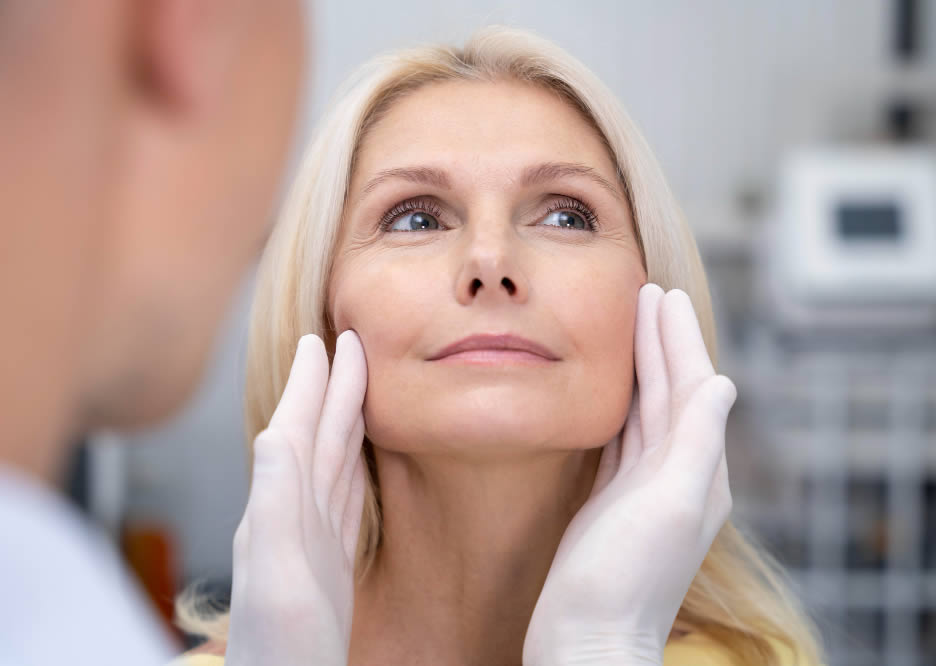
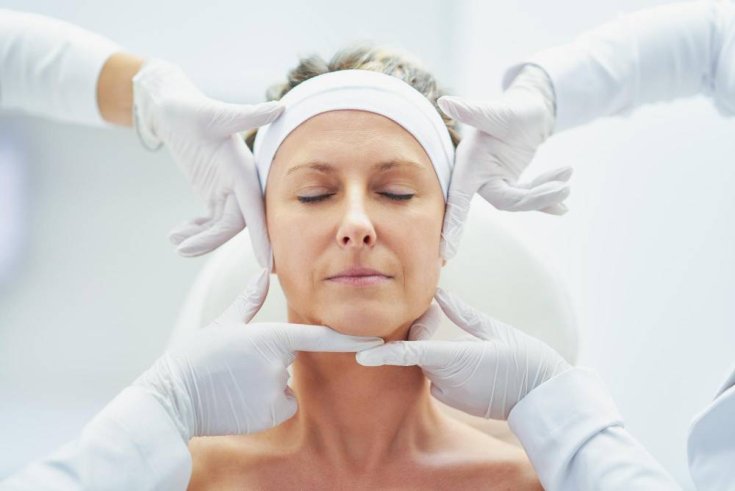
Your Ultherapy journey begins not on treatment day but during your initial consultation. This is when we assess whether Ultherapy aligns with your aesthetic goals and medical profile. You’ll discuss your medical history, current medications, previous treatments, metal implants, etc.
We’ll also evaluate your skin quality, degree of laxity, and overall health to determine candidacy. Ultherapy works best for mild to moderate skin laxity; severe laxity may require surgical intervention for optimal results.
To be clear, Ultherapy is not suitable for everyone. Certain medical conditions, skin disorders, and health factors may preclude safe treatment. Only a qualified healthcare provider can determine your candidacy after a thorough evaluation.
Preparation Timeline: What to Do, and When
- Two to Four Weeks Before Treatment: Avoid injectable treatments such as Botox, dermal fillers, or thread lifts, as well as chemical peels or laser resurfacing. If you're planning injectables, then schedule them either 4-8 weeks before or approximately two weeks after your Ultherapy treatment.
- One to Two Weeks Before Treatment: Avoid prolonged sun exposure. Sun-damaged or tanned skin is more sensitive and may experience pigmentation complications. Similarly, stop using products that increase skin sensitivity or promote exfoliation (such as retinoids, alpha-hydroxy acids, and prescription exfoliants.
- Three to Five Days Before Treatment: Unless medically contraindicated (always consult you prescribing physician before stopping prescribed medications), discontinue substances that impair clotting and increase bruising risk. This includes aspirin, Aleve, and certain herbal supplements. Also, maximize hydration and avoid alcohol and excessive caffeine.
- The Day Before Treatment: Continue drinking water for hydration and get adequate rest.
The Day of Your Appointment
It’s the day! Arrive with clean skin; clean your face and neck, and remove all makeup, skincare products, moisturizers, and sunscreen. Wear comfortable and loose clothing that doesn't require pulling garments over your head.
While Ultherapy treatment itself typically requires 60-90 minutes depending on treatment areas, arrive approximately 30-45 minutes early for pre-treatment preparation.
Managing Expectations
A fundamental advantage of Ultherapy within comprehensive anti-aging strategies is that it actively stimulates your skin's regenerative capacity rather than simply masking aging signs. Unlike injectable fillers that provide instant volume correction, Ultherapy treatment works by initiating biological processes that unfold over time.
You may observe initial subtle improvements within 2-4 weeks, but the most dramatic changes typically manifest between 2-3 months post-treatment as collagen remodeling continues. Results can last up to a year or more.
Disclaimer: Individual results vary significantly based on numerous factors including age, skin quality, degree of laxity, lifestyle factors, genetics, and adherence to pre- and post-treatment protocols.
This content provides general educational information about Ultherapy preparation and does not constitute medical advice, diagnosis, or treatment recommendations. Individual experiences, requirements, and outcomes vary significantly. Only a licensed healthcare provider can determine appropriate treatment protocols after thorough medical evaluation.