The Role of Collagen in Skin Health
The word Collagen can be seen everywhere these days, from luxury skin care products to celebrity interviews. However, many people aren't sure what Collagen is, and what it can do for their aging skin. Is this just another buzz word, or is Collagen truly an important component of maintaining healthy skin? At the Harley Institute Institute in Atlanta, Georgia, we help men and women look and feel their best with the world's most innovative and effective non-surgical treatments. We want to help you achieve similar results as well. Here is more information about Collagen and its effects on the aging process, so you can make educated and empowered decisions about your skin care treatments.
The word Collagen can be seen everywhere these days, from luxury skin care products to celebrity interviews. However,…
What is Collagen?
Collagen is a protein that exists in abundance in the human body. It is used for the formation of connective tissue and fibers, including tendons, muscle tissue, cartilage, ligaments, bones and of course, skin. Four different types of collagen is utilized in the body for various purposes, but Type 1 by far the most needed - representing as much as 90% of collagen production.
Why Does Skin Become Loose and Wrinkled with Age?
Until we reach the age of 30, our bodies are highly efficient at creating and supporting collagen in the body. Unfortunately, as time progresses, hormonal changes and a reduction of collagen production can produce many consequences. In your 40's, collagen production is thought to decrease by about 1% per year. Yet, by age 70, an individual may suffer from annual declines of up to 30%. This can result in sagging, loose skin, fine lines, wrinkles, deteriorating bone and muscular structure and diminished mobility. Certain lifestyle and environmental factors such as poor diet and excessive sun exposure can enhance its decline.
How to Improve Collagen Production
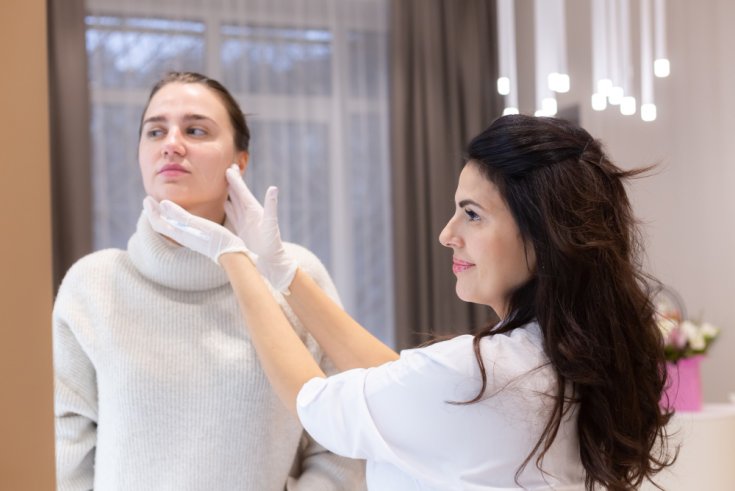
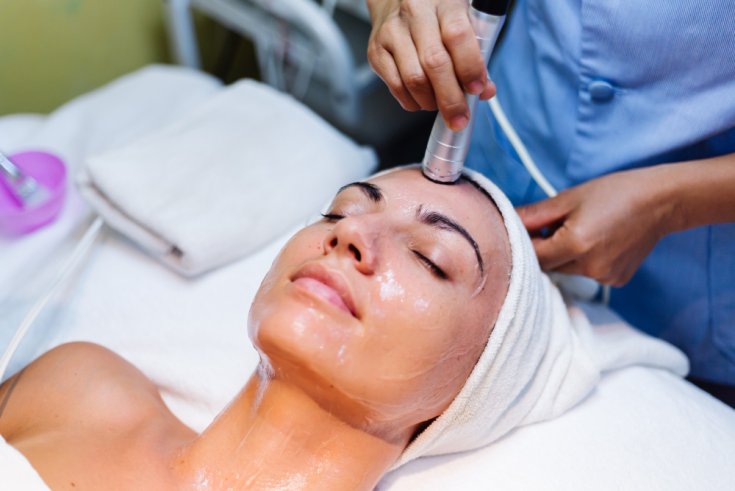
Restoring collagen availability can occur internally and externally. Nutritional deficiencies can drive collagen loss, so it's important to feed the body necessary vitamins and minerals. Vitamin C, Vitamin E and other nutrients can help to offset imbalances. Innovations in technology and skin care have also provided various therapies and treatment options that can stimulate the body's natural collagen production. The Harley Institute Institute offers many of these effective, non-surgical treatments including Platelet Rich Plasma treatments, Radiesse and other dermal fillers, Ultherapy, Laser Genesis treatments, microdermabrasion and more. Dr. Harley and her team of experienced skin care professionals will work with you one on one to develop a customized treatment plan that's sure to keep your skin looking supple and fresh for years to come.
Looking for Anti-Aging Treatments in Atlanta, GA? Visit the Harley Institute Institute
Are you ready to turn back the clock? Improve and restore your body's natural collagen production without the need for conventional surgery or invasive techniques. Call or visit the Harley anti-Aging Institute today, and start your journey towards healthier, younger looking skin. Our customer care team is available now to answer all your questions and can also help you schedule a convenient appointment for your first consultation.