Who Should (and Shouldn’t) Get a Chemical Peel?
Whether we notice it or not, our body naturally sheds skin and replaces it with fresh skin. It's an amazing process that keeps our complexion looking healthy and vibrant. But here's the problem: this regenerative process slows down as we age.
Whether we notice it or not, our body naturally sheds skin and replaces it with fresh skin. It's…
With time, dead skin cells start piling up instead of shedding away. This can make your skin look dull and uneven, and make you look older than you feel. This is one reason why wrinkles, uneven tone, acne scars, and sun damage become more noticeable over time.
Chemical peels can restore a youthful appearance of the aging face, neck, and hands while addressing medical conditions such as acne. This treatment has become increasingly popular as people discover its powerful results. However, chemical peels are NOT for anyone and everyone.
In this brief article brought to you by the Harley Institute, we look at what goes into determining whether chemical peels are right for you.
What Is a Chemical Peel?
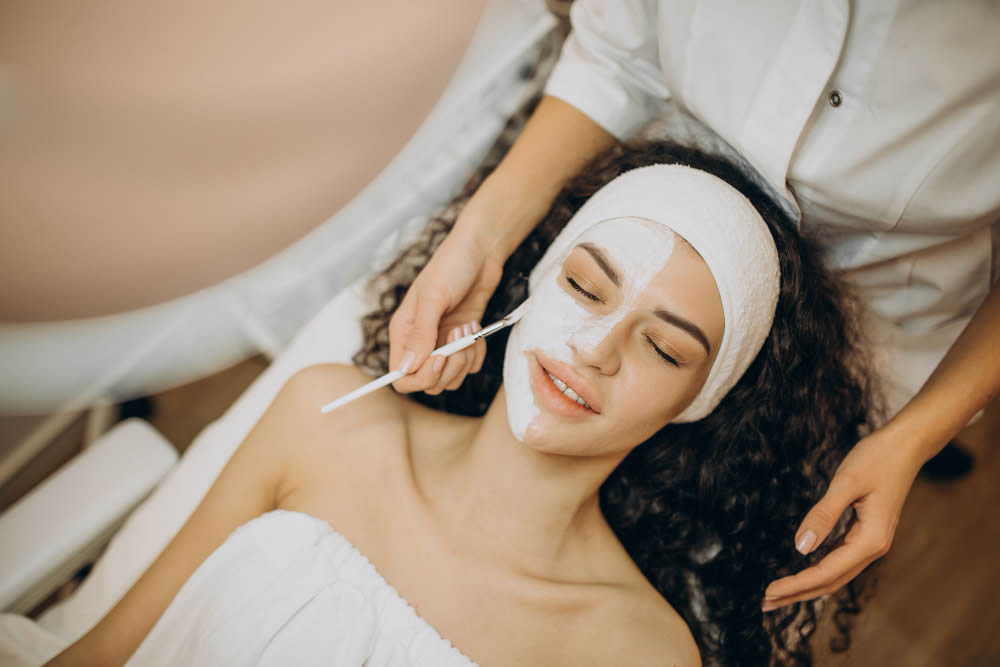
A chemical peel is a skin therapy treatment that uses a carefully formulated solution to exfoliate the outer layers of the skin. By removing damaged surface cells, the treatment encourages the skin to regenerate and reveal the smoother and more even complexion underneath.
Chemical peels come in different strengths ranging from light peels that gently refresh the skin to deeper peels that address more advanced concerns. Your provider selects the type of peel based on your skin type, goals, and overall health.
This controlled resurfacing process helps stimulate cell turnover and can support a more youthful look, and it often plays a role in people’s broader anti-aging strategies.
Who Is a Good Candidate for a Chemical Peel?
People who want to improve skin tone, texture, and clarity typically benefit from chemical peels, and individuals with mild to moderate acne, acne scars, fine lines, sun damage, or uneven pigmentation often see positive results. Chemical peels can also help unclog pores and reduce breakouts by tackling buildup with trapped oil and bacteria.
People who notice dullness or rough skin texture due to slowed skin renewal may also benefit. By encouraging fresh skin growth, chemical peels can restore smoothness that fades with age.
Good candidates generally have realistic expectations and understand that results depend on the type of peel used and proper aftercare. They also commit to sun protection and follow post-treatment instructions – both critical for healing.
Skin Type and Lifestyle Matter
With all of that said, skin type plays a major role in determining whether a chemical peel is appropriate. Lighter and darker skin tones can both benefit from peels, but the approach must be carefully tailored. Certain skin types may be more prone to pigmentation changes if treated too aggressively, for instance.
Lifestyle factors also matter. People who spend significant time in the sun, use tanning beds, or cannot avoid sun exposure during healing may face higher risks. Chemical peels temporarily increase skin sensitivity, so protecting the skin afterward is non-negotiable!
Who Should Avoid Chemical Peels?
Chemical peels are not right for everyone. People with active skin infections, open wounds, or severe inflammatory skin conditions should delay treatment until the skin heals. Those with a history of abnormal scarring or certain autoimmune skin disorders may not be suitable candidates.
Individuals using specific medications may need to wait before undergoing a peel. Some medical conditions and treatments affect how the skin heals, and this increases the risk of complications.
Finally, pregnant or breastfeeding individuals should always consult a healthcare provider before considering a chemical peel. Safety must come first, especially when hormone changes affect skin sensitivity.
Contact Us Today
Chemical peels can deliver impressive results for the right person, but they require careful consideration. The best outcomes happen when patients understand both the benefits and limitations of treatment.
If you are considering chemical peels, or even have some questions or concerns, the team at the Harley Institute is happy to help. Call or message us today to get in touch!